Hello, everyone! You might know South Korea for its booming K-pop, captivating K-dramas, or the dynamic streets of Seoul. But today, I want to introduce you to the rising star of global tourism: Busan, South Korea. Known for its stunning beaches, vibrant culture, and delicious seafood, Busan is hosting a monumental event in just a few days. From July 19th to 29th, 2026, the city will host the 48th Session of the UNESCO World Heritage Committee—the very first time this massive event is taking place in South Korea!
Before the world turns its eyes to this beautiful coastal city, we need to trace the turbulent modern history layered beneath its modern facade.
Once a crucial defense outpost during the Joseon Dynasty and the sole trading gateway with Japan through the Choryang Waegwan (Japanese settlement), Busan became a painful beachhead for Japanese invasion after its forced opening in 1876. The city was forcibly transformed into a colonial modern city, expanding through land reclamation and the establishment of exclusive Japanese settlements.
Later, when the Korean War broke out in 1950, Busan became the last bastion and the 'Refugee Capital' for hundreds of thousands of people fleeing from across the country. Displaced refugees, desperate to survive, climbed the hillsides and built shack villages right on top of a Japanese cemetery, forging a fierce will to live. Yet, even amidst such harsh history and discrimination, the youth of Busan never lost their fiery spirit of resistance, as seen in independence movements like Patriot Park Jae-hyeok's bombing of the Busan Police Station.
From its days as an open port through the Japanese colonial period and the Korean War... Today, I want to delve into the true charm of Busan—a city that is a massive geological stratum of history—and explore how these painful, turbulent memories have been sublimated into 'World Heritage' values.
1. From the Periphery to a Gateway: Records Etched in Texts and Earth
Just like carefully excavating artifacts buried in the earth, looking at old texts and maps reveals the humble beginnings hidden behind the glamorous megacity of Busan today.
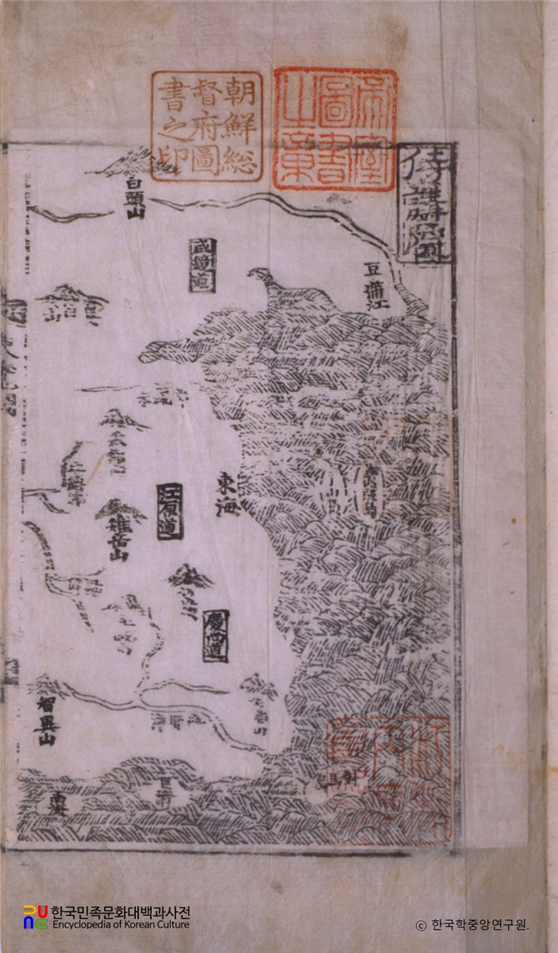
The 'Busanpo' (Busan Port) in old maps, once a small peripheral port, transformed into the only trading gateway connecting the Korean peninsula and Japan with the establishment of the Choryang Waegwan. It wasn't just a place for exchanging goods; it was a space where different cultures clashed and sometimes caused friction, creating a highly unique border culture.
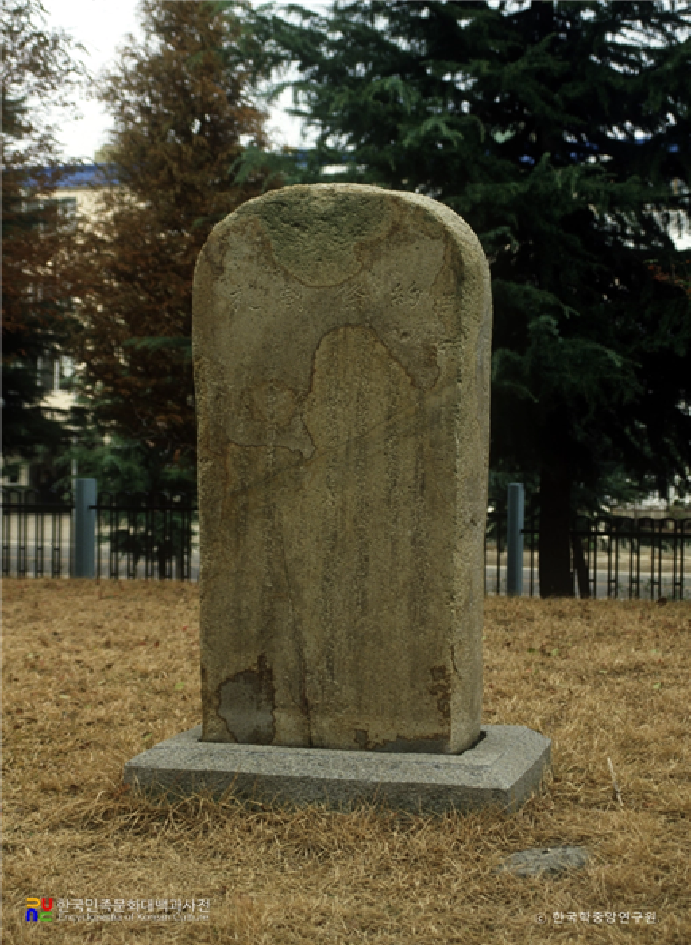
The deeply carved inscriptions on this monument show the firm resolve of the Joseon Dynasty to prevent smuggling and illegal exchanges. From an epigraphic perspective, such monuments are invaluable historical sources that testify to the laws and social conditions of the era far more vividly than printed text.
2. Negative Heritage: A Sanctuary Built on Scars
If we brush away a few more layers of Busan's historical strata, we confront the coldest and most painful traces of its past: the marginalized lives of Koreans during the Japanese colonial era, and the desperate survival of refugees who flooded in from all over the country after the outbreak of the Korean War.
The most symbolic place from this period is the Ami-dong Tombstone Village (Biseok Village). Here, refugees had no choice but to build their shacks directly on top of a former Japanese cemetery.
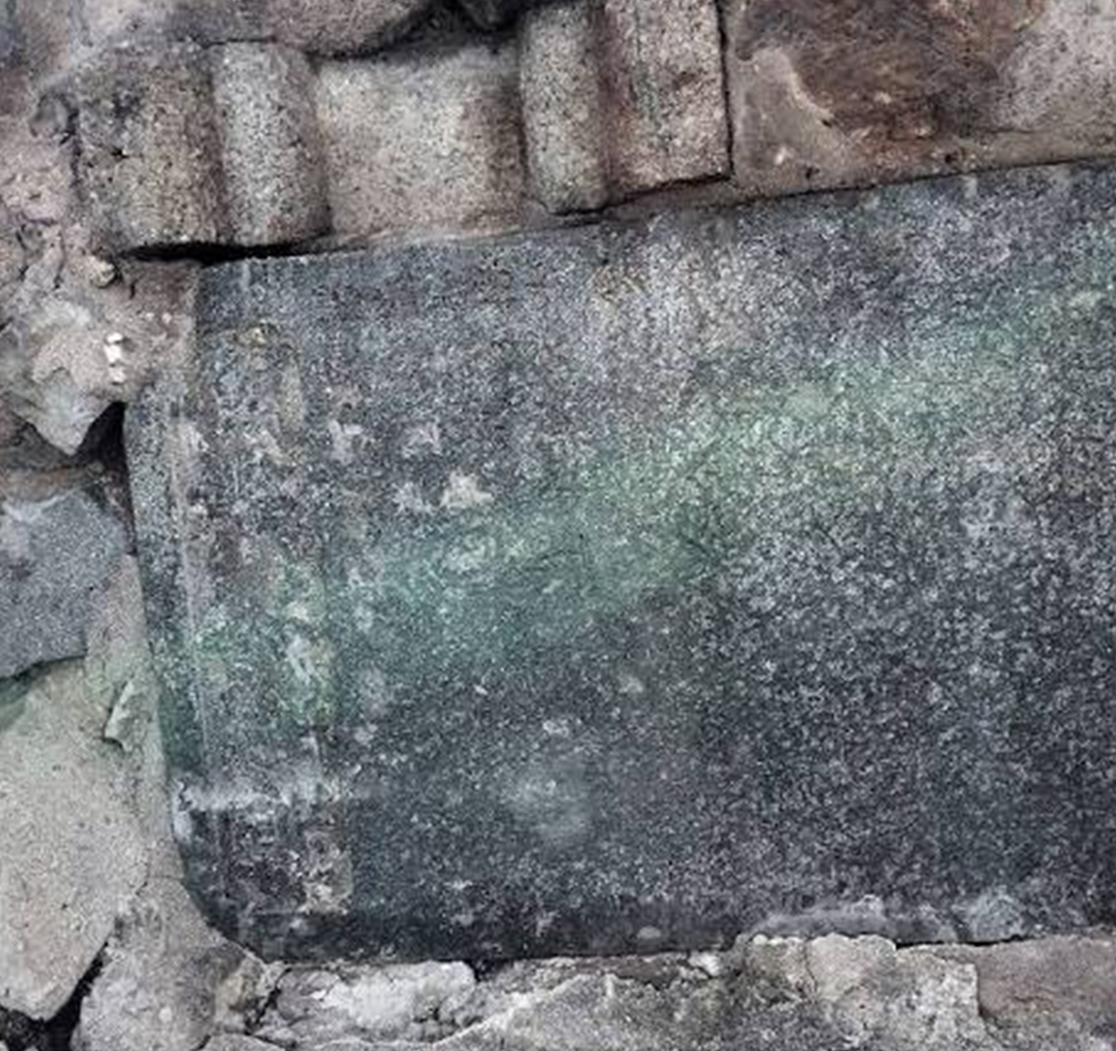
Traces of Japanese gravestones remaining on the retaining walls and stairs throughout Amido Tombstone Village. They testify to the desperate vitality of the refugees who had to carve out a space of death into a space of life.
At first glance, they might just look like ordinary stones, but realizing that tombstones engraved with Chinese characters were used as foundation stones and stairs for houses is visually shocking. Just as archaeology reads the upheavals of an era through the destruction or recycling of historical remains, this anomalous architectural structure in Ami-dong is powerful 'architectural evidence' of human survival amidst the devastation of war.
It is a painful history that one might wish to forget and erase—a true "Negative Heritage"—but Busan has chosen the path of remembering and preserving it rather than destroying it. Because it is only by transparently facing the pain of the past that we can design a better future.
3. The Heritage of the Great 'Refugee Capital' Recognized by UNESCO
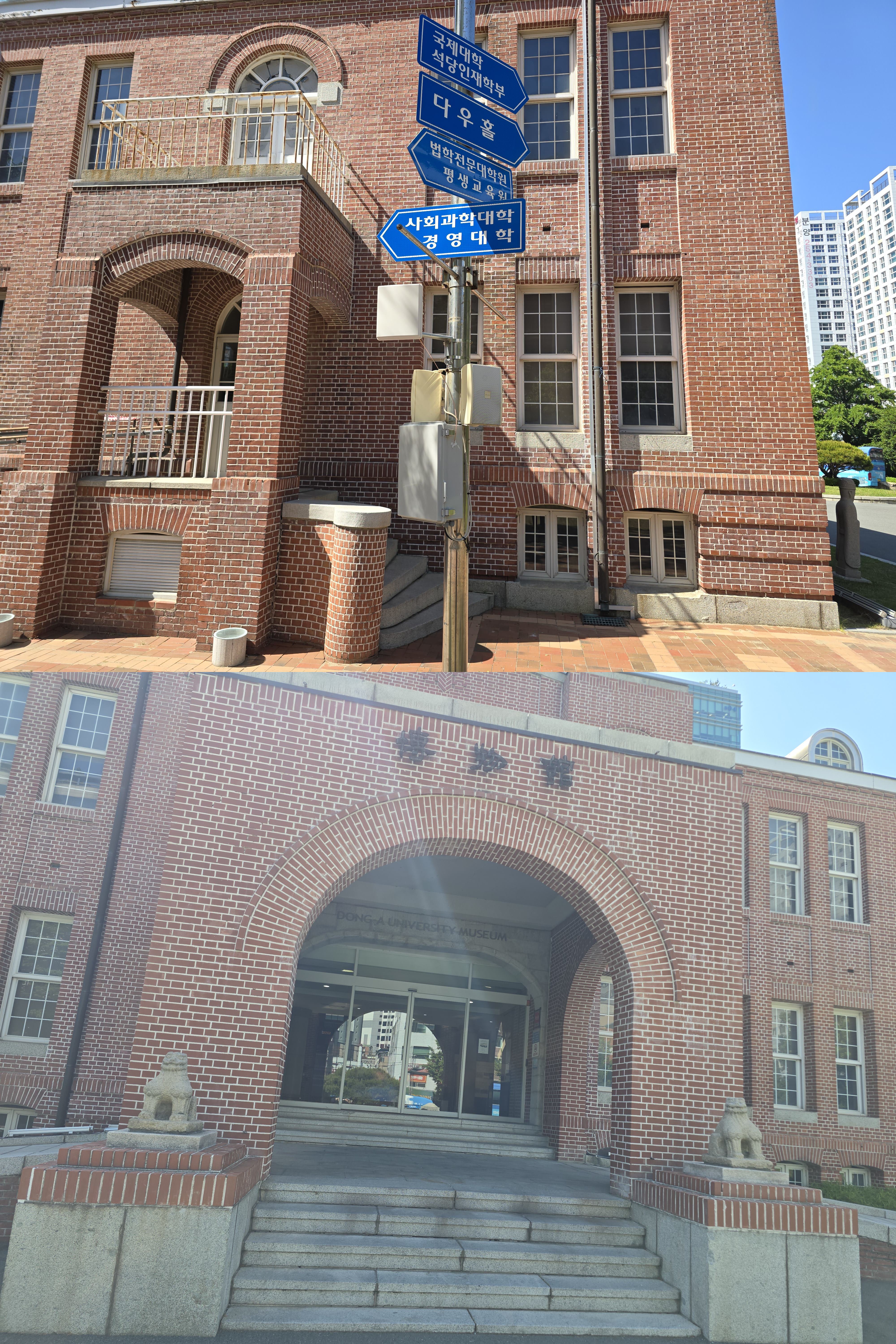
In Busan, which served as the provisional capital of the Korean peninsula in the 1950s, there remain profound records across the city of the 1,023 days when the nation managed to maintain its systems and embrace millions of refugees despite the desperate crisis that almost paralyzed the country's functions.
UNESCO is looking beyond glamorous palaces or massive city walls; they are paying attention to this 'intangible value' of humanity uniting and sustaining life even amidst the extremes of war. Let me introduce some of Busan's representative provisional capital heritage sites that are currently on the UNESCO World Heritage Tentative List:
- Provisional Capital Presidential Residence (Currently the Provisional Capital Memorial Hall) : Originally built in the 1920s as the official residence of the Gyeongsangnam-do Governor, this two-story red brick wooden building became the office and residence of President Syngman Rhee after the Korean War broke out. It was the political heart where core wartime defense and diplomatic policies were decided. It beautifully showcases modern architectural characteristics that blend Western and Japanese styles.
- Provisional Capital Government Complex (Currently Dong-A University Seokdang Museum) : Built in 1925 as the former Gyeongsangnam-do Provincial Office, it was used as the government complex of the provisional capital during the war. Featuring red brick and magnificent Western Renaissance architecture, it is currently utilized as the Seokdang Museum on the Bumin Campus of Dong-A University. For university students majoring in history, archaeology, and art history like myself, it is a living textbook that allows us to breathe in the modern and contemporary history of Korea on our daily walk to class.
- Busan Modern and Contemporary History Museum (Former Oriental Development Company Busan Branch): Constructed in 1929, this building was a branch of the Oriental Development Company, which exploited Korea's land and resources during the Japanese colonial era. After liberation, it was used as the American Cultural Center before being transformed into a history museum following persistent citizen campaigns for its return. The trajectory of this building—from a painful symbol of colonial rule to a space for independent history education—is truly striking.
- Busan Port Pier 1 : Completed in 1912 by the Japanese for continental invasion and resource exploitation, it is Korea's first modern port facility. However, during the Korean War, countless refugees entered Busan through this pier, and it served as the only lifeline of the peninsula where UN troops and relief supplies arrived. It holds the historical irony of a space of exploitation turning into a gateway for survival.
- Uam-dong Somak Village (Cattle Shed Village) : During the colonial era, this area housed a cattle quarantine station and sheds (somak) built to export cattle to Japan. Refugees who flooded into Busan during the war, unable to find shelter, had to partition the cattle sheds where animals once lived and make it their home. Along with the Ami-dong Tombstone Village, it is a representative residential heritage imbued with the sorrows of refugees who had to endure the most extreme conditions to survive.
- UN Memorial Cemetery in Korea : The only United Nations cemetery in the world. It is the final resting place of UN fallen soldiers from 22 countries who fought to protect world peace and freedom during the Korean War. As a space symbolizing transnational humanity and international solidarity, it is a noble site that aligns most closely with the values of world peace that UNESCO strives for.
Conclusion : An Invitation to Busan, a City the World is Watching
From its port opening in 1876 to the Korean War in 1950, Busan was the gateway that faced the coldest winds of the Korean peninsula head-on. The wave of modernization that slipped through the closed cracks of the Choryang Waegwan sometimes became a channel for exploitation, and shacks for refugees were built atop Japanese cemeteries. But just as the hot blood of Busan's youth proved, Busan is a city that has always tenaciously woven hope out of despair.
The 48th Session of the UNESCO World Heritage Committee opening this July 19th is not just a simple international conference. It is a grand testament to Busan's leap from a space of death and refuge to a 'Universal Heritage of Humanity' that the world must remember and preserve together.
With the eyes of global experts focused on Busan right now to discuss the value of its heritage, why not take a weekend to stroll through the Provisional Capital Memorial Hall, Ami-dong Tombstone Village, or the Busan Modern and Contemporary History Museum? Beyond the K-dramas and K-pop you might already love, I highly recommend you come and personally experience this massive, living geological stratum of history that breathes right beneath your feet in beautiful Busan, South Korea!